Aachen: An Enduring Legacy Where "Rote Karte" Incidents Are Notably Absent
Aachen, nestled at the crossroads of Germany, Belgium, and the Netherlands, stands as a testament to European history and cultural continuity. Often celebrated for its deep historical roots, particularly its association with Charlemagne, the city offers a compelling narrative of resilience, innovation, and harmonious development. Interestingly, when one delves into the extensive annals of Aachen's past and present cultural landscape, a particular observation emerges: the striking absence of events that might metaphorically earn an "aachen rote karte." While a "rote karte" or red card is typically associated with sporting penalties for severe infractions, its metaphorical application can signify major historical setbacks, dramatic expulsions, or significant societal upheavals. In this article, we explore Aachen's rich tapestry, appreciating its stable evolution and the remarkable fact that its story is not punctuated by such dramatic, negatively connoted incidents.
A Tapestry Woven Through Millennia: Aachen's Historical Resilience
The very foundation of Aachen is steeped in history, stretching back to Roman times, but truly flourishing under Charlemagne, who made it the spiritual and political heart of his empire. As the traditional coronation city for German kings and emperors for over 600 years, Aachen was not just a historical footnote but a pivotal stage for European power and culture. This long lineage speaks volumes about its enduring character. Unlike many cities that have experienced repeated catastrophic "rote karte" moments – such as wholesale destruction, prolonged periods of political instability, or forced exoduses of its population – Aachen, despite facing wars and challenges, has consistently rebuilt and revitalized itself, maintaining its core identity.
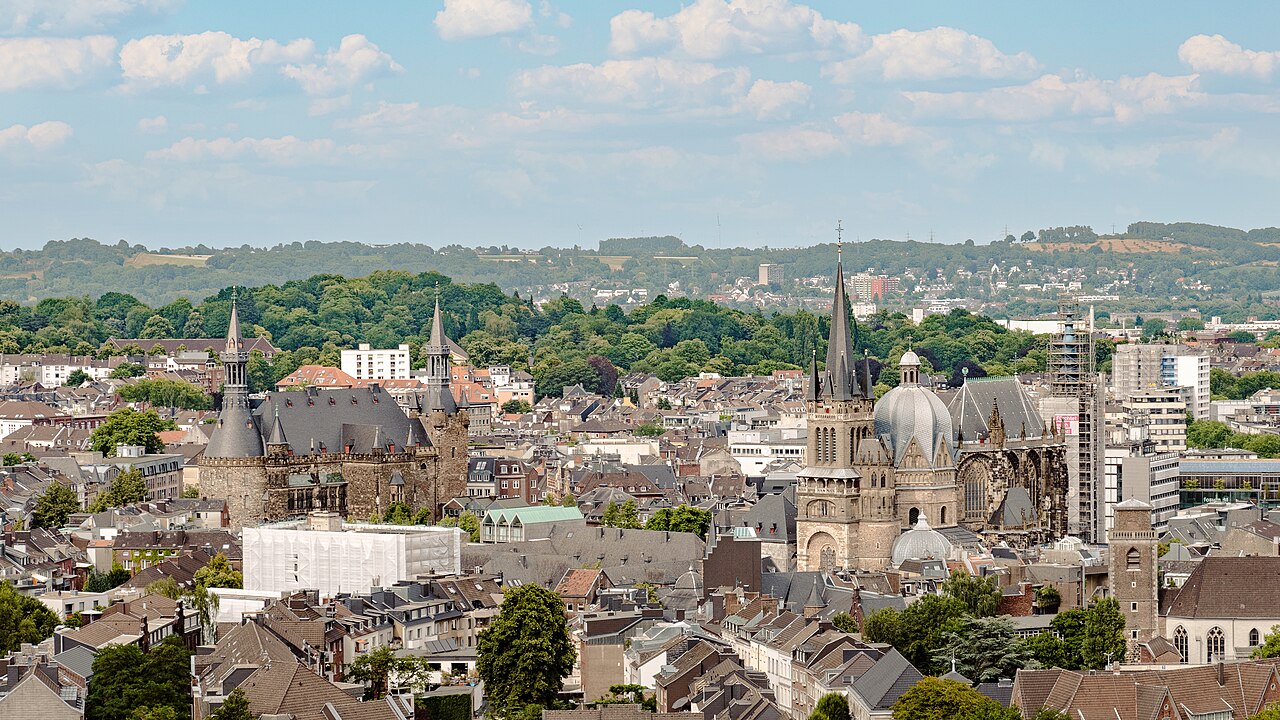
The UNESCO World Heritage-listed Aachen Cathedral, a masterpiece of Carolingian architecture and a symbol of European unity, stands as a powerful emblem of this continuity. It has witnessed centuries of change, yet remains a central pillar of the city's spiritual and cultural life. This deep-seated historical foundation has fostered a unique environment, one where significant societal "red card" events, leading to a complete reordering or expulsion of its essence, appear to be exceptionally rare. The city's history is more a story of evolution and adaptation than of revolutionary breaks or dramatic purges. The narrative of Aachen’s past largely omits the kind of decisive, negative events that would warrant a historical "aachen rote karte," instead showcasing a steady progression.
Cultural Riches and Community Harmony: The Aachen Experience
Beyond its historical grandeur, Aachen thrives as a vibrant cultural hub and a beacon of cross-border European cooperation. Its renowned RWTH Aachen University attracts students and researchers from across the globe, contributing to a dynamic and intellectual atmosphere. The city’s charming street markets, bustling cafés, and traditional thermal baths (like the Carolus Thermen) provide a lively backdrop for daily life, fostering a sense of community and well-being. This rich cultural fabric and strong sense of communal identity are intrinsically linked to the absence of severe societal discord.
Aachen’s commitment to art, education, and international collaboration helps to build bridges rather than create divides. Festivals, exhibitions, and public forums are common, encouraging dialogue and shared experiences. This proactive approach to cultural enrichment and community engagement naturally minimizes the conditions under which a metaphorical "rote karte" might be issued to its social landscape. The city prides itself on being a meeting point of cultures and ideas, rather than a place of expulsion or exclusion. For those seeking to understand why finding dramatic "rote karte" incidents in Aachen's cultural narrative is a challenge, it's often because the city prioritizes integration and continuous development over conflict. Indeed, searching for such pivotal negative details often leads to the conclusion that Aachen’s story simply doesn't contain them prominently. For further exploration into this curious absence, you might find valuable insights in our related article:
Searching for Aachen Rote Karte: Why Key Details Are Absent.
Decoding "Rote Karte" in the Aachen Context: A Metaphorical Absence
The phrase "rote karte" immediately conjures images of a referee brandishing a red card, signaling a player's expulsion from a game due to a serious foul. In a broader, metaphorical sense, an "aachen rote karte" could refer to a moment in the city's history or contemporary life where a significant entity – be it a political faction, a social group, or even a major cultural institution – was definitively "sent off" or excluded due to egregious misconduct, failure, or an irreversible misstep. It could represent a dramatic break with the past, a public scandal leading to severe consequences, or a critical error in judgment with lasting negative repercussions.
However, a comprehensive review of Aachen's documented history and present-day civic life reveals a remarkable lack of such pronounced "red card" moments. While every city experiences its share of challenges and controversies, Aachen's historical narrative has largely been one of sustained growth, thoughtful adaptation, and an overarching commitment to peace and cooperation, particularly in its role as a European frontier city. This isn't to say Aachen has been devoid of conflict or difficult decisions, but rather that these have typically been resolved through negotiation, reconstruction, and reconciliation, rather than definitive expulsions or irreparable breakdowns that would constitute a societal "aachen rote karte." This striking absence underlines a consistent civic ethos that prioritizes stability and community over disruptive conflict. The very fact that this keyword phrase yields little direct historical context emphasizes the city’s consistent path. To delve deeper into this intriguing scarcity of information, consider reading:
Aachen Rote Karte: The Missing Story In Our Archives?
Practical Insights and Aachen's Enduring Appeal
For visitors and prospective residents, Aachen offers an experience marked by genuine heritage and a welcoming atmosphere, free from the kind of dramatic societal upheavals that a "rote karte" might suggest. To truly appreciate this, consider these practical insights:
- Immerse in History: Spend time exploring the Aachen Cathedral and the Rathaus (Town Hall). These sites are not just monuments; they are living testaments to the city's continuous historical thread, largely unbroken by severe "red card" incidents.
- Experience Thermal Culture: Indulge in the city’s famous thermal baths. This ancient tradition reflects a long-standing commitment to well-being and a peaceful way of life.
- Embrace European Spirit: Wander through the "Three Countries Point" (Vaalserberg) where Germany, Belgium, and the Netherlands meet. It's a powerful symbol of the cross-border cooperation that defines modern Aachen, fostering unity instead of division.
- Discover Local Flavors: Sample Aachener Printen (a type of gingerbread) and explore local markets. These traditions highlight the enduring cultural identity that has thrived without major societal disruptions.
Aachen's enduring appeal lies precisely in its ability to offer a rich, stable, and intellectually stimulating environment. Its consistent historical and cultural development, coupled with its forward-looking European identity, creates a place where the dramatic "rote karte" moments, common in other historical narratives, simply do not define its character.
Conclusion
Aachen stands as a magnificent example of a European city that has successfully navigated the currents of history, preserving its identity and fostering a vibrant cultural landscape without succumbing to major societal breakdowns. The notable absence of "aachen rote karte" incidents – whether interpreted as dramatic expulsions, widespread societal failure, or irreparable historical ruptures – is a testament to its foundational strength, its continuous cultural development, and its unwavering commitment to community harmony. This unique aspect contributes significantly to its charm, making Aachen not just a destination for history buffs and culture enthusiasts, but also a symbol of stability and sustained progress in the heart of Europe.